When sales drop, most Amazon sellers react the same way.
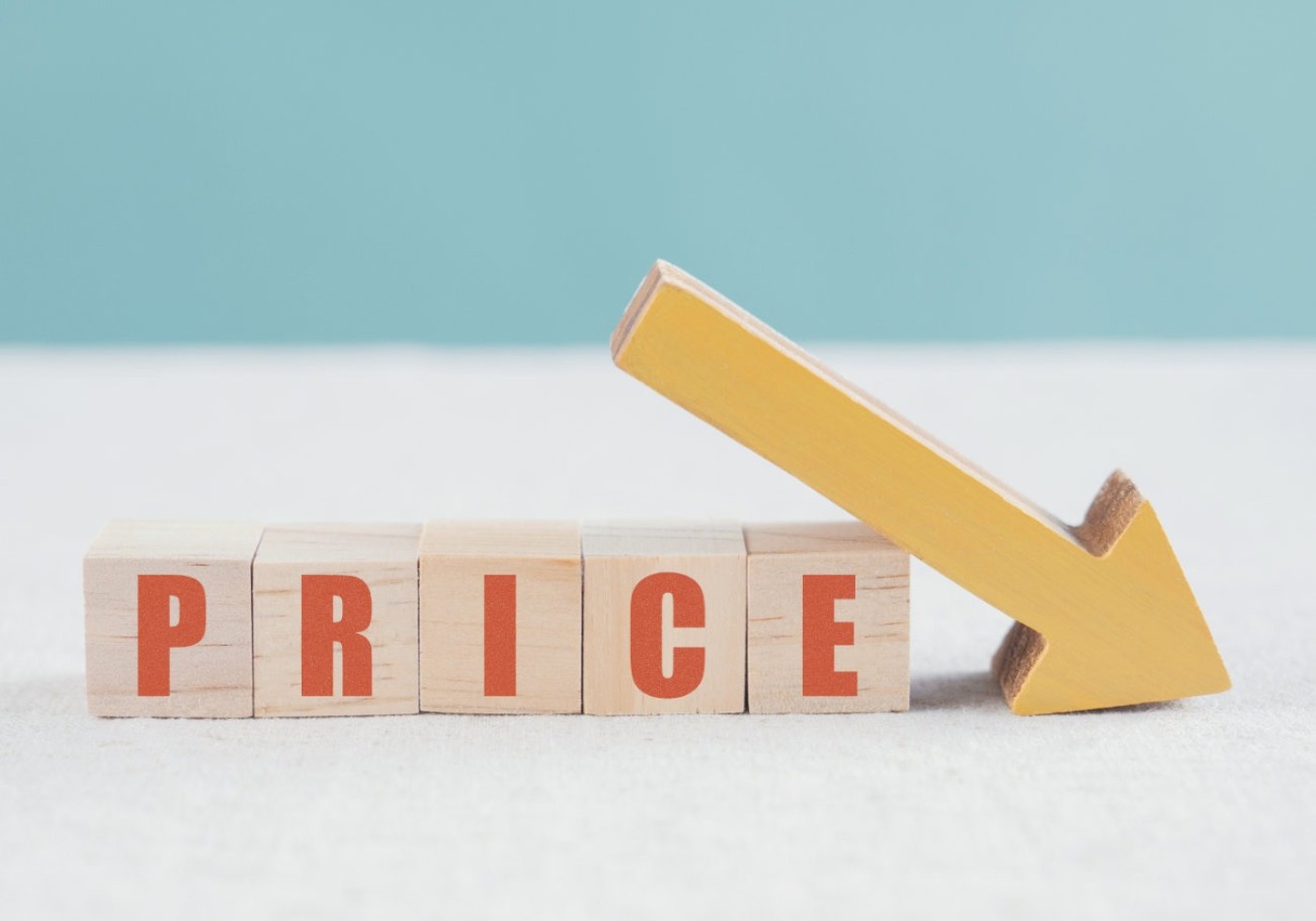
They lower the price.
It feels logical.
Cheaper product, more sales.
But in 2026, this approach is failing.
Lowering your price is not fixing your problem.
It is often making it worse.
Why Lowering Your Price Feels Like The Right Move
Price is the most visible lever you can pull.
It is immediate.
It is easy.
And it seems like it should work.
If buyers are comparing options, being cheaper should give you an advantage.
But this ignores how buyers actually behave today.
Buyers Are Not Just Looking For The Cheapest Option
In a cost-of-living market, buyers are more careful.
But careful does not mean they only buy the cheapest product.
It means they look for the safest option.
They want:
• Confidence in quality
• Proof the product works
• Reassurance before buying
• Value, not just price
A cheaper product without trust does not win.
A slightly higher priced product with strong reviews often does.
Lowering Your Price Signals Lower Value
Price is not just a number.
It is a signal.
When you drop your price, buyers may assume:
• The product is lower quality
• There is something wrong with it
• It is less reliable than alternatives
This creates doubt.
And doubt reduces conversion.
Instead of increasing sales, you may actually lose them.
You Are Destroying Your Margins
Every price drop comes at a cost.
Lower price means:
• Reduced profit per sale
• Less room for advertising
• Less flexibility in your business
At the same time, your costs are rising.
Advertising is more expensive.
Fees are higher.
Competition is stronger.
Lowering your price in this environment squeezes your business from both sides.
Price Cuts Do Not Fix Conversion Problems
If your listing is not converting, price is rarely the real issue.
The real issues are:
• Weak images
• Unclear messaging
• Lack of reviews
• Low trust
Lowering your price does not fix any of these.
It just hides the problem temporarily.
And once competitors match your price, you are back where you started.
Competing On Price Is A Race You Cannot Win
There will always be someone willing to go cheaper.
If your strategy is based on price, you are entering a race to the bottom.
This leads to:
• Lower margins
• Lower perceived value
• Less control over your business
The winners on Amazon are not the cheapest sellers.
They are the most trusted.
What Actually Increases Sales
If price is not the answer, what is?
Conversion.
Trust.
Perceived value.
These are what drive buying decisions in 2026.
To increase sales, focus on:
Improving your listing
Building stronger trust signals
Increasing your review count
Making your product feel worth the price
When buyers feel confident, they buy.
Even at a higher price.
Reviews Justify Your Price
Reviews are one of the most powerful pricing tools you have.
They prove that your product delivers.
They reduce risk.
They justify value.
When buyers see:
• High review count
• Recent feedback
• Consistent positive experiences
They are far more willing to pay more.
Without reviews, price becomes your only advantage.
With reviews, trust becomes your advantage.
Increase Value Instead Of Decreasing Price
Instead of lowering your price, increase perceived value.
This can be done through:
Better images
Clearer messaging
Stronger branding
More reviews
The goal is to make your product feel like the best choice, not the cheapest.
This is how you protect margin while increasing sales.
Turn Every Order Into Future Sales
One of the biggest missed opportunities is not leveraging existing orders.
Each order should strengthen your listing.
More reviews lead to:
• Higher conversion
• Greater trust
• Increased willingness to pay
Over time, this reduces your need to compete on price.
From Price Cuts To Sustainable Growth
Manual processes often lead to inconsistent review growth.
This weakens trust and forces sellers to rely on pricing.
Automation changes this.
Amzigo ensures every eligible order is followed up using Amazon’s compliant Request a Review process.
This leads to:
• Consistent review growth
• Stronger trust signals
• Higher conversion rates
• Reduced reliance on price
You are no longer competing on cost.
You are competing on confidence.
Key Takeaway
Lowering your price is not a growth strategy.
It is a short-term reaction.
In 2026, success comes from:
Building trust
Improving conversion
Increasing review growth
Strengthening perceived value
Buyers are not looking for the cheapest product.
They are looking for the safest choice.
Sellers who understand this will protect their margins and grow more sustainably.