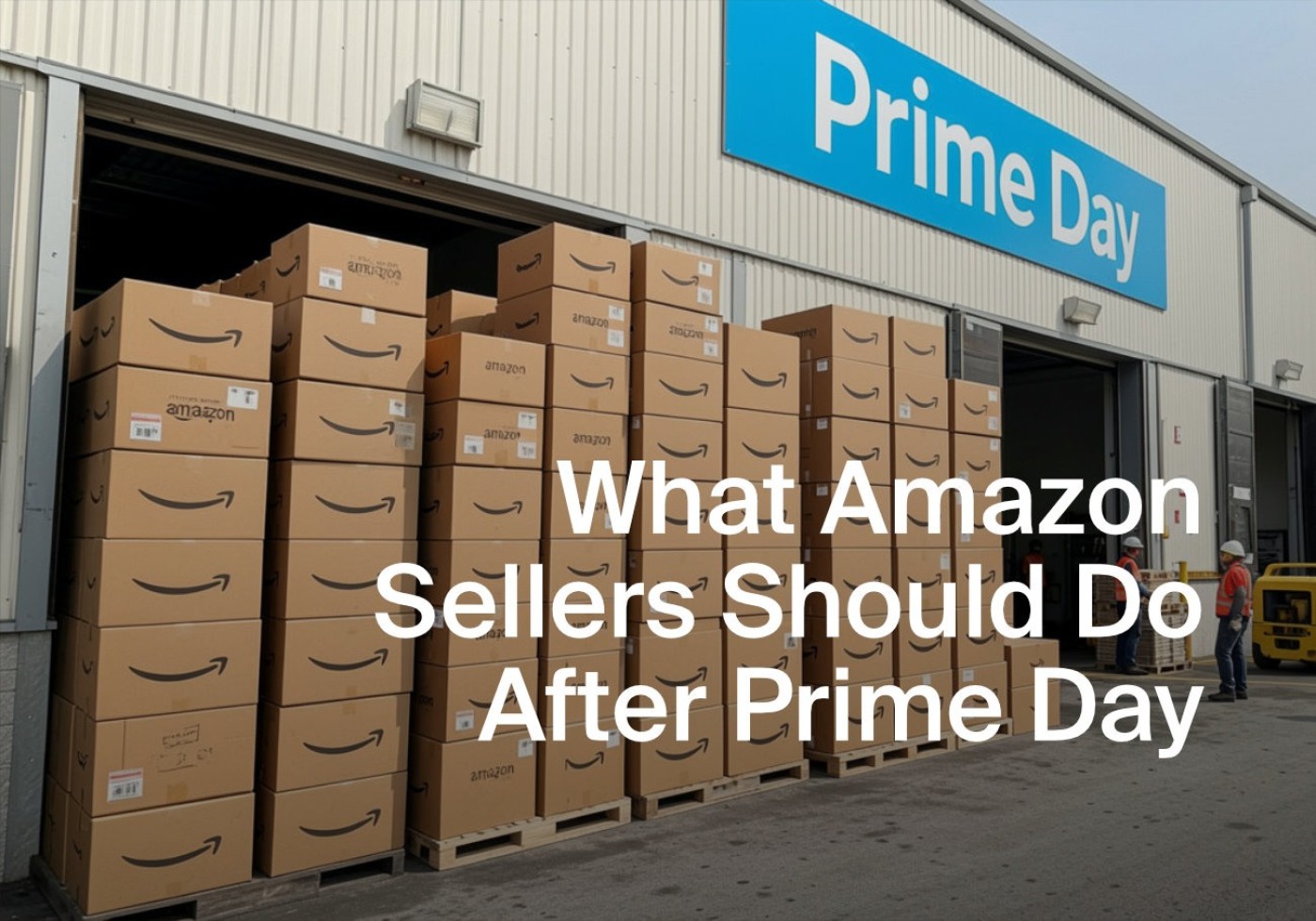
For many Amazon sellers, Prime Day feels like the finish line.
Weeks of preparation lead up to one of the biggest shopping events of the year. Inventory is stocked, advertising budgets are increased, and promotions are launched.
Then Prime Day ends.
Many sellers immediately reduce advertising spend, return to normal operations, and move on to the next challenge.
This is a mistake.
The 30 days after Prime Day are often more important than Prime Day itself.
This is when sellers have the opportunity to turn increased traffic and sales into stronger rankings, more reviews, and long-term growth.
Review Your Prime Day Performance Properly
Most sellers focus on total sales.
The smarter sellers focus on why those sales happened.
Look closely at:
Which keywords generated sales
Which products converted best
Which campaigns produced the strongest return
Which listings underperformed
Understanding this data provides valuable insight into future growth opportunities.
Turn Prime Day Customers Into Reviews
Prime Day often generates more orders than any other period outside Q4.
Every one of those orders is a potential review.
Many sellers celebrate sales volume but completely overlook the trust-building opportunity sitting in front of them.
Reviews generated after Prime Day continue influencing buyers long after the event has ended.
This is where Request Review becomes extremely valuable.
Why Review Growth Matters More After Prime Day
Reviews generated after Prime Day do more than improve trust.
They help strengthen:
Organic rankings
Conversion rates
Advertising efficiency
Customer confidence
Many sellers focus on generating reviews before Prime Day but forget that the largest opportunity often comes immediately afterwards when order volume is at its highest.
Monitor Your Organic Rankings
Prime Day frequently causes ranking shifts.
Products that performed well may gain visibility.
Products that struggled may lose positions.
The weeks following Prime Day provide an opportunity to identify where ranking improvements occurred and where further optimisation is needed.
This is also the perfect time to review your keyword strategy.
Using tools such as Keyword Hunters, sellers can identify search terms that generated results during Prime Day and discover additional opportunities to target.
Review Your Backend Keywords
Many sellers optimise their listings before Prime Day but never revisit them afterwards.
This is a missed opportunity.
Prime Day performance often reveals new keyword opportunities that can be added to backend search terms and listing content.
Improving keyword coverage after Prime Day can help maintain momentum and support future organic growth.
Check Inventory Before It Becomes A Problem
Strong Prime Day sales can create inventory challenges.
Many sellers focus so heavily on generating orders that they fail to plan for what happens afterwards.
Review:
Remaining stock levels
Sales velocity
Projected stock coverage
Restock timelines
The last thing you want is to gain ranking momentum and then lose it because inventory runs out.
Strengthen Customer Trust
The increased customer activity generated during Prime Day provides an opportunity to strengthen trust signals.
Monitor:
Product reviews
Seller feedback
Customer questions
Customer concerns
Addressing issues quickly helps maintain positive customer experiences and protects future conversion rates.
Prepare For The Next Seasonal Opportunity
Prime Day is often a preview of what will happen during the second half of the year.
The sellers who analyse their performance now are usually better prepared for:
Back-to-school demand
Autumn shopping periods
Black Friday
Cyber Monday
Christmas
Prime Day data should influence future strategy.
How Amzigo Helps Sellers Maximise Prime Day Momentum
The biggest mistake sellers make after Prime Day is failing to capture the long-term value of increased order volume.
Amzigo helps sellers automate Amazon's compliant Request a Review process, ensuring eligible Prime Day orders are followed up consistently.
This helps sellers:
Increase Amazon reviews
Strengthen customer trust
Improve conversion rates
Support organic rankings
Build long-term listing strength
Instead of viewing Prime Day as a short-term event, sellers can use it as a launchpad for future growth.
Key Takeaway
Prime Day may only last a few days, but its impact can last for months.
The sellers who benefit most are the ones who focus on what happens afterwards.
Use the 30 days after Prime Day to:
Generate more reviews
Request seller feedback
Improve rankings
Strengthen keyword strategy
Build customer trust
Prepare for the next major sales period
Prime Day creates momentum.
What you do afterwards determines how long that momentum lasts.