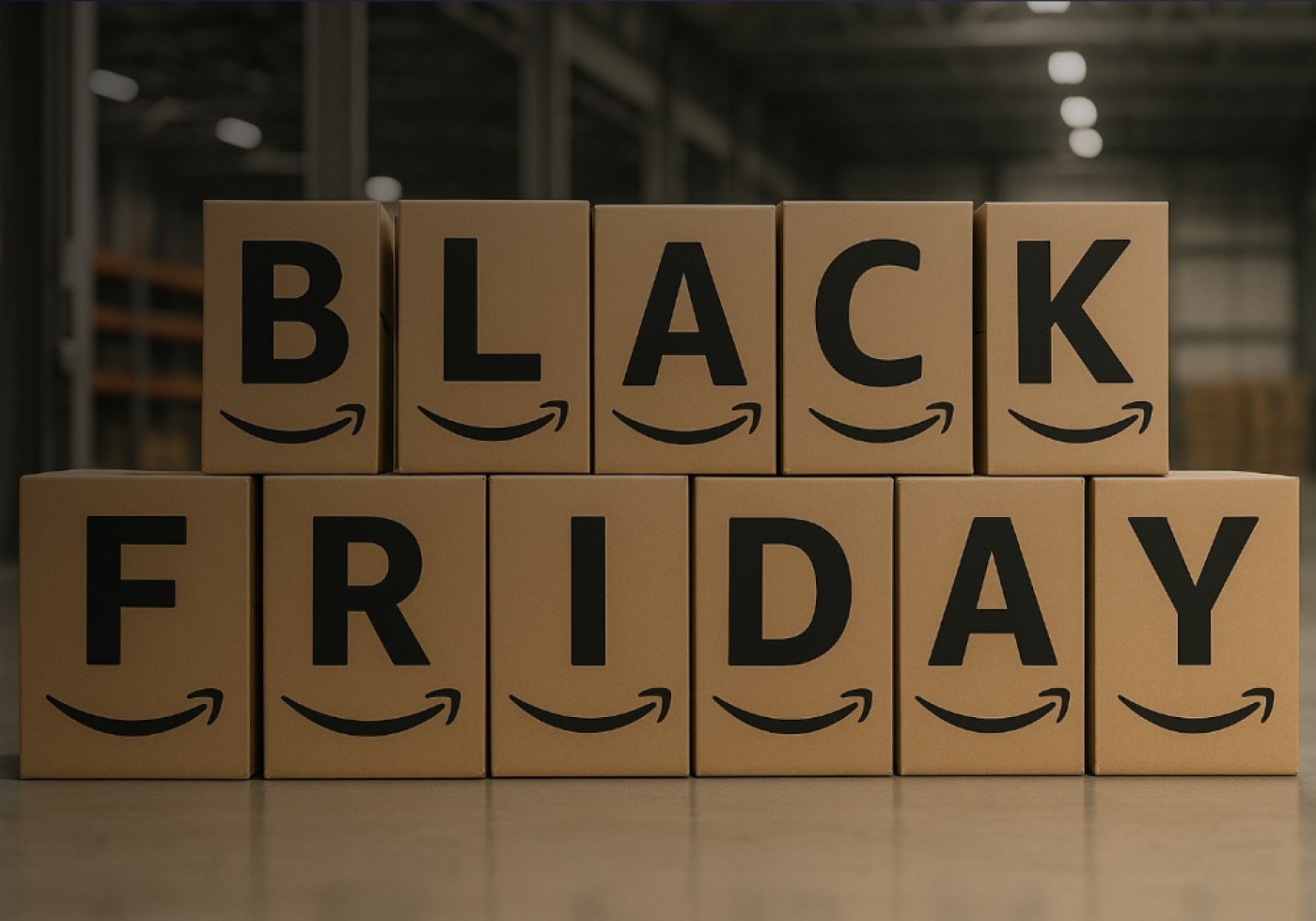
For Amazon sellers, the final months of the year represent one of the biggest opportunities to increase revenue, attract new customers and finish the year strongly. Black Friday, Cyber Monday and Christmas bring increased shopping activity, with customers actively searching for gifts, household products, electronics and seasonal essentials.
However, the opportunity comes with significant challenges.
Competition for visibility intensifies, advertising budgets come under pressure and customers are presented with an overwhelming number of products and promotions. At the same time, many shoppers remain conscious of household spending and want reassurance that their purchases represent good value for money.
For sellers, this creates an important question: how do you convince customers to choose your product when dozens of competitors are offering something similar?
The answer increasingly comes down to customer confidence.
A competitive price might attract attention, and an advertising campaign might bring visitors to your listing, but neither guarantees a sale. Customers still need to believe that the product is reliable, accurately described and worth purchasing.
This is where Amazon product reviews, seller feedback and listing credibility become essential.
As we approach the busiest shopping period of the year, sellers should be thinking beyond discounts and advertising. Building customer trust before Black Friday, maintaining it throughout Christmas and using seasonal orders to increase Amazon reviews could make a significant difference to both immediate sales and long-term business growth.
Why Black Friday And Christmas Are Becoming More Competitive
Black Friday has evolved into a major promotional period for Amazon sellers, with discounts and advertising campaigns competing for customers across almost every product category. The Christmas shopping season then extends this competition as buyers search for gifts, compare delivery options and make increasingly time-sensitive purchasing decisions.
For established brands with substantial advertising budgets, increased competition can be manageable. Smaller sellers, however, may find themselves competing against businesses that can afford higher bids, larger discounts and more aggressive promotional strategies.
This creates pressure on profit margins. Reducing prices might increase order volume, but it can also leave sellers with significantly less profit once Amazon referral fees, fulfilment charges, advertising costs and promotional expenses are considered.
Rather than relying entirely on discounts, sellers need to understand what influences purchasing decisions during busy shopping periods. Customers are not simply looking for the lowest price. They are looking for products that offer a convincing combination of value, quality, reliability and delivery confidence.
A product with strong customer reviews and a professional listing can provide that reassurance, helping sellers compete on more than price alone.
Why Customer Trust Matters More During Christmas Shopping
Christmas shopping creates a different purchasing environment from ordinary everyday shopping. Customers are frequently buying products for other people, working within budgets and facing deadlines for delivery.
A disappointing purchase can mean more than simply returning an unwanted item. It could mean a gift arriving too late, a product failing to meet expectations or a customer having to find a replacement at short notice.
This makes reassurance particularly valuable.
When comparing Amazon listings, shoppers may examine several trust signals before deciding which product to purchase:
- Product reviews: Genuine customer experiences that help establish whether a product performs as advertised.
- Recent feedback: Current reviews that provide reassurance about product quality and consistency.
- Overall ratings: An immediate indication of how previous customers have evaluated the product.
- Seller feedback: Information about the reliability and service of the business fulfilling the order.
- Listing quality: Professional images, accurate descriptions and clear product specifications that reduce uncertainty.
These elements work together to influence conversion rates. A customer who feels confident about a product is more likely to proceed with a purchase than someone who still has unanswered questions.
For Amazon sellers preparing for Q4, strengthening these trust signals should be considered just as important as managing stock or optimising advertising campaigns.
Your Existing Reviews Could Influence Your Black Friday Performance
Many sellers spend weeks preparing Black Friday discounts but overlook the condition of their existing review profile.
This can be a costly mistake.
Imagine two products appearing alongside each other in Amazon search results. Both offer similar features, competitive pricing and attractive promotional discounts. However, one has a substantial collection of recent, positive reviews, while the other has relatively little customer feedback.
For a buyer unfamiliar with either brand, the difference in customer reassurance may influence which product they choose.
Reviews help customers understand whether a product matches its description, whether the quality meets expectations and whether other buyers have experienced problems. They can also highlight useful details that are not immediately obvious from product images or bullet points.
Before Black Friday, sellers should review their product ratings, recent feedback and common customer concerns. If customers repeatedly mention unclear sizing, missing instructions or misleading images, these issues should be addressed within the listing wherever possible.
Improving the product experience and the information available to buyers can strengthen conversion without requiring additional advertising expenditure.
Why Increasing Amazon Reviews Should Be A Q4 Priority
One of the most valuable long-term benefits of seasonal sales is the opportunity to build a stronger review profile.
Every additional order creates an opportunity for a customer to share genuine feedback about their experience. While not every buyer will leave a review, a consistent and compliant Amazon review request strategy helps ensure sellers are not unnecessarily missing opportunities.
This becomes particularly relevant during Q4 because order volumes can increase substantially compared with quieter periods.
A seller who normally receives 300 orders per month might experience significantly higher volumes during Black Friday and December. Those additional orders represent potential future product reviews and seller feedback that can continue supporting the business after the Christmas shopping season ends.
The important distinction is that review requests create opportunities, not guaranteed reviews. Sellers cannot control whether customers respond or whether their feedback is positive.
However, by delivering a good customer experience and consistently using Amazon's Request a Review functionality, sellers can create a sustainable process for encouraging authentic customer feedback.
How To Request Reviews On Amazon During The Christmas Period
Amazon provides a built-in Request a Review feature within Seller Central, allowing sellers to request product reviews and seller feedback through Amazon's standardised messaging system.
For eligible orders, requests can generally be sent between five and thirty days after delivery. Amazon controls the wording of these requests, helping sellers avoid many of the compliance problems associated with custom review messages.
For sellers wondering how to get more reviews on Amazon, this is one of the simplest approved methods available.
An effective seasonal review request process should include:
- Checking which orders are eligible for Amazon's Request a Review feature.
- Sending compliant requests within the permitted timeframe.
- Avoiding incentives, discounts or rewards in exchange for reviews.
- Never asking customers specifically for positive feedback.
- Monitoring review growth and customer satisfaction throughout the season.
Amazon's review policies prohibit manipulating feedback, including attempts to influence review ratings or selectively solicit positive reviews.
The objective should always be to encourage honest customer experiences, regardless of whether that feedback is positive or negative.
For sellers handling hundreds or thousands of Christmas orders, managing these requests manually can become time-consuming. This is where Amazon review automation can provide a practical advantage.
Why The Weeks After Black Friday Are So Important
Black Friday often receives most of the attention, but the weeks immediately afterwards can be just as valuable for building long-term business performance.
Orders placed during promotional periods may become eligible for review requests in the days and weeks following delivery. This means sellers can continue benefiting from increased order activity after the original promotions have finished.
A customer who purchased during Black Friday may leave a review in December, potentially providing useful reassurance to customers still shopping for Christmas.
This creates an opportunity to connect two important parts of the Q4 shopping season.
Black Friday generates increased order activity, while the subsequent review opportunities can help strengthen product credibility during the remaining Christmas shopping period.
The timing of customer reviews cannot be guaranteed, and Amazon does not promise that review requests will result in feedback. Nevertheless, maintaining a consistent request process ensures sellers make appropriate use of eligible orders rather than allowing opportunities to pass unnoticed.
Do Not Forget Amazon Seller Feedback
Product reviews are often the main focus of an Amazon review strategy, but seller feedback deserves attention too.
Product reviews primarily help customers understand the quality and suitability of an individual product. Seller feedback relates to the customer's experience with the seller, including aspects of service and fulfilment.
This distinction becomes particularly important during the Christmas period, when delivery expectations and customer service can influence purchasing confidence.
Sellers looking to increase Amazon seller feedback should focus on maintaining accurate delivery information, resolving customer issues professionally and providing a reliable buying experience.
Amazon's standard Request a Review process requests both product reviews and seller feedback where applicable, making it a useful part of a broader customer feedback strategy.
For merchant-fulfilled sellers especially, maintaining strong seller feedback can provide additional reassurance to customers deciding where to purchase.
How Amazon Review Automation Helps During Busy Sales Periods
During Q4, Amazon sellers have numerous responsibilities competing for their attention. Inventory management, advertising optimisation, customer service, order fulfilment and promotional planning can all become more demanding as sales volumes increase.
Manually tracking which orders are eligible for review requests can quickly become another time-consuming task.
Amazon review automation software helps reduce this administrative workload by managing compliant review requests according to eligibility and timing requirements.
Rather than repeatedly checking individual orders, sellers can use an automated system to maintain a consistent process throughout busy periods.
This can be particularly useful for businesses selling across multiple Amazon marketplaces, where managing order volumes and customer feedback manually becomes increasingly difficult.
The benefit is not simply saving time. It is creating a repeatable review request process that continues operating when sellers are focused on other important areas of their business.
How Amzigo Helps Sellers Build Reviews Before And After Christmas
Amzigo is designed to help Amazon sellers build customer reviews through compliant review automation, without the need to manually request feedback for every eligible order.
Using Amazon's official Request a Review process, Amzigo helps sellers automate review requests, maintain consistency and reduce the administrative workload associated with review generation.
For sellers preparing for Black Friday and Christmas, this means having a system in place to make better use of the increased order opportunities that Q4 can create.
Amzigo helps sellers:
- Automate Amazon review requests using Amazon's compliant Request a Review process.
- Increase opportunities for genuine product reviews by consistently following up on eligible orders.
- Encourage seller feedback through Amazon's standard review request functionality.
- Save time during busy sales periods by reducing repetitive manual tasks.
- Support long-term customer trust by maintaining an ongoing review request strategy beyond seasonal promotions.
Instead of focusing on review generation only when sales slow down, sellers can establish a consistent process that operates throughout the year.
Start your free 30-day Amzigo trial and prepare your Amazon review request strategy for the busiest shopping period of the year.
Prepare For January While Everyone Else Focuses On December
One of the biggest mistakes Amazon sellers make is viewing Christmas as the end of their growth strategy.
Once the seasonal rush finishes, advertising budgets are often reduced, promotional campaigns end and attention turns towards reviewing annual performance.
However, the orders generated during November and December can still provide value in the new year.
Customers who purchased Christmas gifts may become eligible for review requests after delivery, while feedback received during January can contribute to the credibility of listings throughout the following months.
This is particularly valuable for sellers whose products generate year-round demand rather than purely seasonal purchases.
By maintaining review automation, monitoring customer feedback and addressing recurring product concerns, sellers can use the experience gained during Q4 to improve their listings and prepare for the next sales period.
Key Takeaway
Black Friday and Christmas present major opportunities for Amazon sellers, but increased traffic and higher order volumes do not automatically guarantee profitable growth.
Customers still need confidence before purchasing, particularly when buying gifts, managing household budgets and comparing numerous competing products.
For sellers looking to increase Amazon sales during Q4, the strongest strategy combines competitive offers with credible listings, reliable customer service and genuine customer feedback.
Before the seasonal rush, focus on the fundamentals:
- Review your existing product ratings and recent customer feedback.
- Improve listing information that could create uncertainty.
- Maintain accurate stock and delivery expectations.
- Use Amazon's Request a Review feature consistently.
- Consider compliant Amazon review automation to manage increased order volumes.
- Continue building reviews and seller feedback after Black Friday and Christmas.
Advertising can help bring customers to your products, and promotions can encourage them to take a closer look. However, reviews and customer trust can play an important role in turning that interest into a purchase.
The sellers who use Q4 to strengthen their customer experience and review profile are not simply preparing for Christmas sales. They are investing in a stronger foundation for the year ahead.